
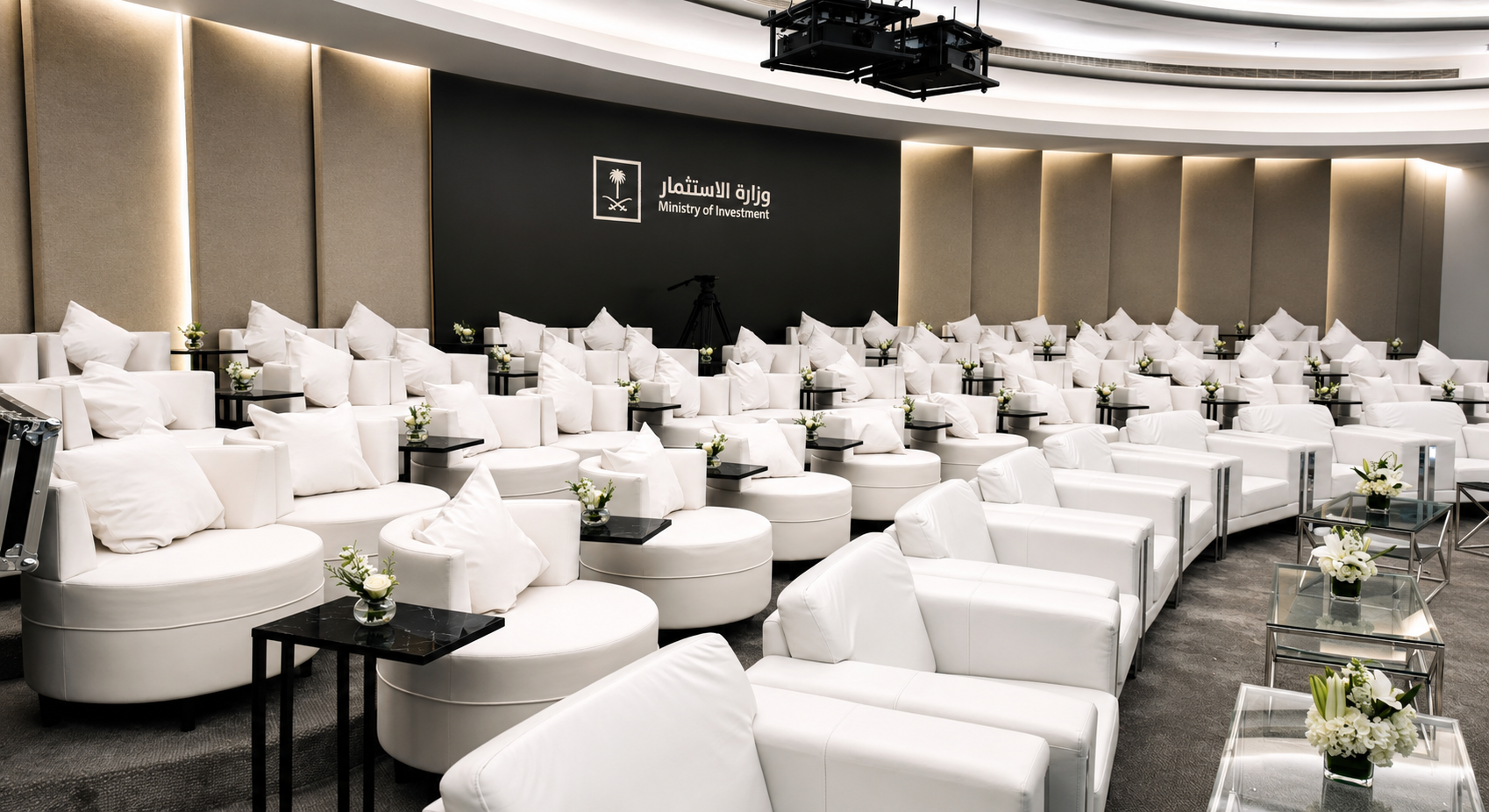
Creating Comfortable and Stylish Networking Areas for Business Events: Tips on setting up inviting and functional networking areas using rental furniture

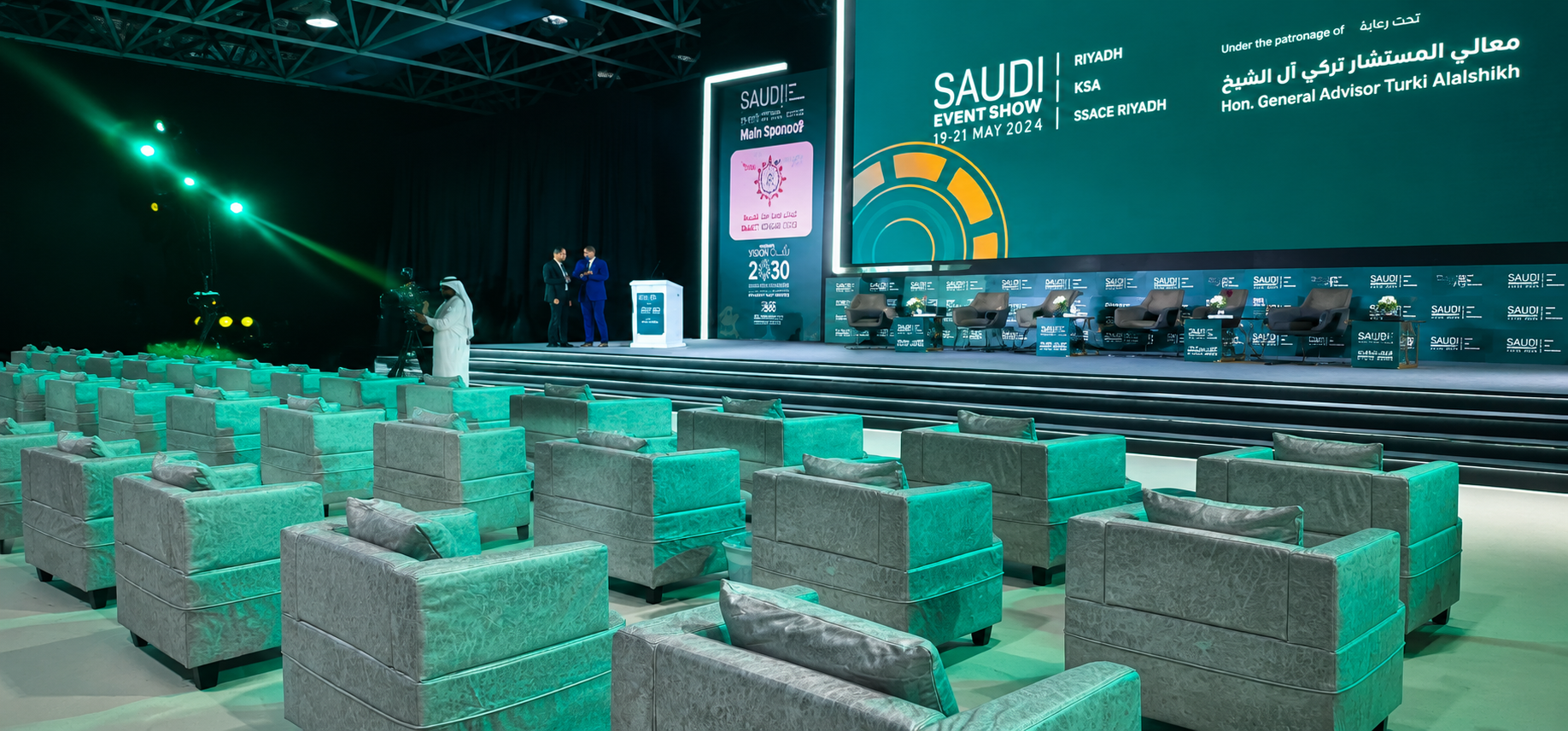
"Networking is not about just connecting people. It's about connecting people with people, people with ideas, and people with opportunities." - Michele Jennae
To host any successful business event, it is important to understand the significance of networking. A thoughtfully designed networking area can be the catalyst for forging new partnerships, sparking innovative ideas, and creating lasting impressions. The agenda and speakers of any business event is as important as the environment in which connections are made. Both of them play an equally vital role in making a successful event. Using rental furniture suitable for your event theme engages audiences to create comfortable, inviting, and stylish networking areas that encourage meaningful interactions.
When planning any business event, one of the important decisions you'll make is to select an appropriate layout. By carefully selecting and arranging rental furniture, you can create inviting and functional spaces that encourage attendees to engage and collaborate. Renting furniture can be a game changer for your business event. To help you with choosing appropriate rental furniture, Space Event Rentals gives plenty of options as per your event requirements!
Tips for Setting Up Inviting and Functional Networking Areas
- Choose Comfortable Seating
"Comfort is critical in networking spaces. When attendees are at ease, they are more open to connecting and sharing ideas."
Yes. That’s true! Designing networking areas with comfortable seating arrangements is an important factor that has to be taken into consideration. People are more willing to have conversations with others when they are relaxed and have comfortable seats.
Think about ergonomic chairs, comfortable stools, and soft couches that will not only allow the personnel to sit properly but also to rest. Lounge chairs and Modular sofas by Space Event Rentals are the best since they’re comfortable and are easily movable to cover a larger area depending on the number of people expected.
- Create Various Seating Zones
Diverse seating arrangements satisfy different networking styles and approach to networking. Introduce specific zones for the discussion in groups and subgroups, one-on-one meetings, and casual communication. High top tables are suitable for quick and casual interactions while low coffee tables and other arrangements encourage longer kinds of conversations. It also ensures that all attendees are able to get an environment that they seek to meet other people in while attending the event.
- Incorporate Functional Elements
Equipment like charging points, internet connectivity points and good lighting are crucial in the contemporary networking area. Such features allow attendees to achieve their objectives or tasks, as well as access critical information locally,
ensuring they can seamlessly continue their work or access important information during the event. Offering such amenities is a good gesture, and makes the attendees feel valued and appreciated.
- Add Decorative Touches
The integration of architectural decorations to the exterior networking environment creates comfort and style. These are plants, paintings (related to the brand), and other beautiful and catchy decorations that make the atmosphere warm. These touches do not only make the design more pleasing to the eye but are also a great representation of your brand’s characteristics and attention to detail.
- Utilize Versatile Furniture
"Versatile furniture solutions are key to adapting the networking area to the dynamic flow of an event."
Choose furniture for rent that is easy to rearrange and must be mobile. The furniture that you are planning to rent can be easily rearranged in the form of loose components and can adapt to accommodate occupants in terms of size or preferred interaction and networking. That is why flexibility helps to accommodate the changing scenario of the event and therefore will be useful and convenient for the attendees in terms of space.
- Focus on Layout and Flow
The right layout can significantly enhance the attendee experience, facilitate networking, and ensure the smooth operation of your event. Here are key factors to consider when determining the best layout and seating arrangements:
- i) Assess Attendee Numbers
- Capacity: Make sure it allows for comfortable seating of all the participants or attendees of the event. Avoid overcrowding.
- Sightlines: Make sure that all the people see the speaker or the area where he or she is giving the presentation.
- Accessibility: Provide wheelchair access and ensure pathways are wide enough for easy movement.
- Flexibility for Walk-Ups: In case of an unexpected number of outsiders who are not registered, have extra seating without much disturbance.
- ii) Evaluate Available Space
- Room Size and Shape: It is necessary to measure the space and understand what the limitations are. It should also be noted that rectangular rooms might be more appropriate for some compositions than square ones.
- Venue Guidance: Ask for layout plans as well as the capacity of the venue. Check these numbers because it is important that the room is ready according to your specifications during the event.
- Innovative Solutions: If you find the event space limited then manage to split the event into multiple sessions. You can opt for live streaming for overflow areas, or host the event over several days.
iii) Define Your Priorities
- Learning vs. Interaction: Determine if the focus is on learning from a speaker or fostering interaction among attendees.
- Comfort vs. Capacity: A more comfortable layout may reduce capacity, while maximizing capacity might compromise comfort.
- Space Usage: Utilize spaces for different activities in your event, such as quiet areas for relaxation or multiple other zones for networking.
- iv) Decor and Furniture
- Furniture Availability: Find out what furniture the venue offers and if all of the furniture are part of the packages they are offering. Decide whether you need to rent some other equipment to fulfill your needs.
- Compatibility: Make sure that the selected pieces belong to the same furniture design and should be of similar heights.
- Room Ambiance: Think about the color and the lighting of your event venue. A good operating environment should have good light to facilitate movement and interaction; on the other hand, low light conditions are suitable when there are performances or presentations to make.
Conclusion:
It’s an art to create a comfortable and stylish networking area. By choosing the right rental furniture and paying attention to the details you can set the stage for meaningful conversations and connections at your event. A well designed networking space not only reflects your brand but also the event itself. Investing in the right furniture and design elements can transform your networking areas into vibrant hubs of activity, ensuring that your event leaves a lasting impression on all attendees.